Best Time to Visit Bhedetar (Month-by-Month Guide)
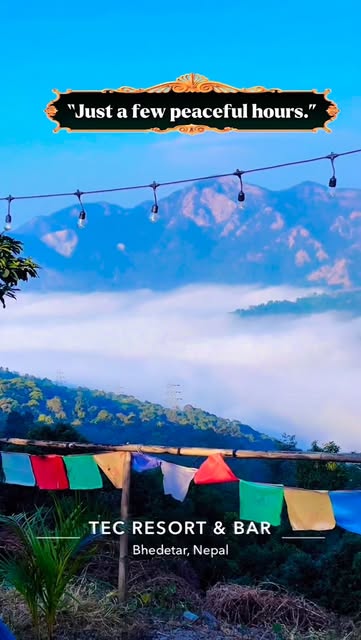
Bhedetar is one of eastern Nepal's most underrated hill stations — a misty ridge floating at 1,420 metres above the Terai plains, just 20 km uphill from Dharan. From the terrace of TEC Resort & Bar, on a clear winter morning, you can watch the sun climb over a cloud-sea while the snow line of Kanchenjunga glows pink on the opposite horizon. But here's the thing nobody tells first-time visitors: the experience changes dramatically from one month to the next. Visit in late October and you'll get postcard skies. Visit in late July and you'll get moody mist, dripping pine and almost no view of the Himalayas at all — which can be exactly what some travellers want. This is the long, honest version of the guide we give our guests on WhatsApp every week, written from years of hosting families, couples, photographers and weekend escape artists at TEC Resort & Bar.
The short answer: October to April
If you only remember one line from this guide, remember this: October through April is the best time to visit Bhedetar. Skies are clear, mornings are crisp, sunrises are dramatic, and the Eastern Himalayas — including Kanchenjunga (8,586 m), Makalu (8,485 m) and Chamlang on the clearest days — are visible from our terrace.
Within that wider window, two sweet spots stand out: late October to mid-December, and late February to early April. Daytime temperatures sit between 14°C and 22°C, evenings get cool enough for a bonfire to feel magical rather than necessary, and rainfall is essentially zero. These are the weeks when wedding shoots, honeymoon couples and family reunions fill the resort fastest — book 2–3 weeks ahead for weekends, longer around Dashain and Tihar.
May to mid-June is a shoulder season — warm, mostly dry, but increasingly hazy as pre-monsoon heat builds in the plains. Late June through September is full monsoon: green, romantic, but unpredictable.
October–November: Post-monsoon perfection
October is, hands down, the best single month to visit Bhedetar. The monsoon has just washed the air clean, the hills are still emerald green, and the Himalayas appear closer than they actually are. Daytime temperatures hover at a perfect 18–22°C, nights drop to 10–13°C, and mountain visibility is at its absolute peak. If your trip is only flexible by a week or two, aim for the last two weeks of October.
November is almost as good — slightly cooler, slightly drier, with the year's most reliable cloud-sea mornings. The drive from Dharan up through Bhojpur road is at its scenic best, with terraced fields turning gold and orange orchards starting to ripen toward Dhankuta.
These two months also coincide with Nepal's biggest festivals — Dashain (usually late September/early October) and Tihar (late October/early November). Villages along the drive are lit with marigold garlands and oil lamps, and the local mood is unmistakably celebratory. The flip side: long weekends sell out fast, fuel can briefly be tight, and traffic from Dharan to Bhedetar can double on Saturday afternoons.
Best for: first-time visitors, photographers, honeymoon couples chasing a clear-mountain backdrop, family groups who want one guaranteed-good weather window per year.
December–January: Bonfire season
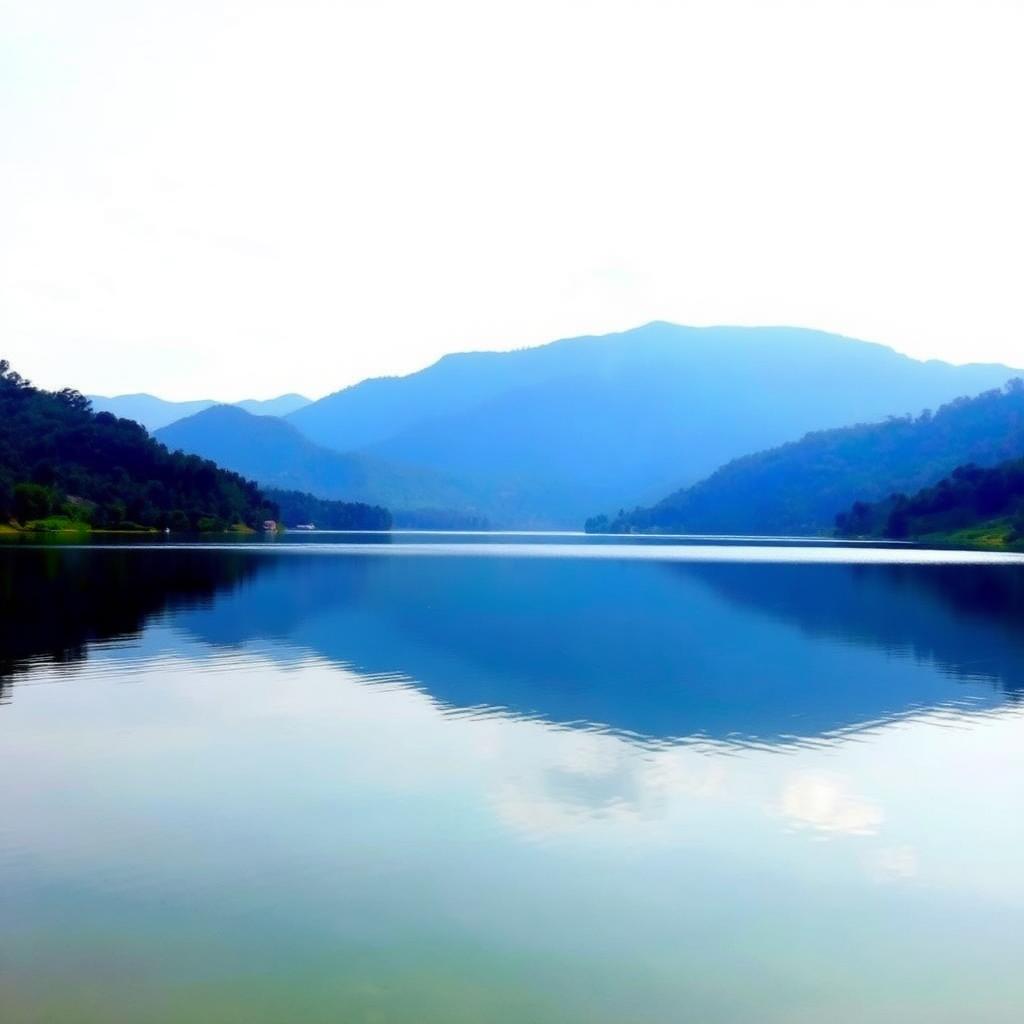
If October sells the sunrise, December sells the night. This is when Bhedetar feels most like a proper hill station — woodsmoke in the air, the gold light of late afternoon catching on pine needles, and a bonfire on the terrace that turns into the social heart of the evening. Daytime temperatures sit around 12–17°C; nights drop to 3–8°C, occasionally lower in the second half of January.
Mountain visibility stays excellent through most of December and the first half of January. February usually brings the year's clearest sky days, but mid-January can have a 2–3 day haze when the plains are slow to clear. Frost is rare on the resort lawn but possible at higher viewpoints further toward Hile and Bhojpur.
Practical notes: bring a proper jacket (not just a hoodie), pack a beanie for sunrise on the terrace, and choose a deluxe room over a tent if you're sensitive to cold. Our candlelight dinner add-on is genuinely at its best in this season — wrap up in a blanket, sit at the lantern-lit corner of the terrace, and watch Dharan's lights blink below.
Best for: bonfire nights, couples, BBQ feasts with friends, photographers chasing long golden-hour shadows. Glamping tents are still comfortable in mid-December but borderline in late January — pre-warm them with a heater on request.

February–April: Rhododendrons and warm sun
Spring is Bhedetar's second peak season. February starts cold but clear; by mid-March, daytime temperatures climb to a delicious 18–24°C and the rhododendron belt along the road to Hile begins to bloom — first deep red, then pink, then white as you climb higher. April is the last month with reliably clear mountain views before pre-monsoon haze settles in.
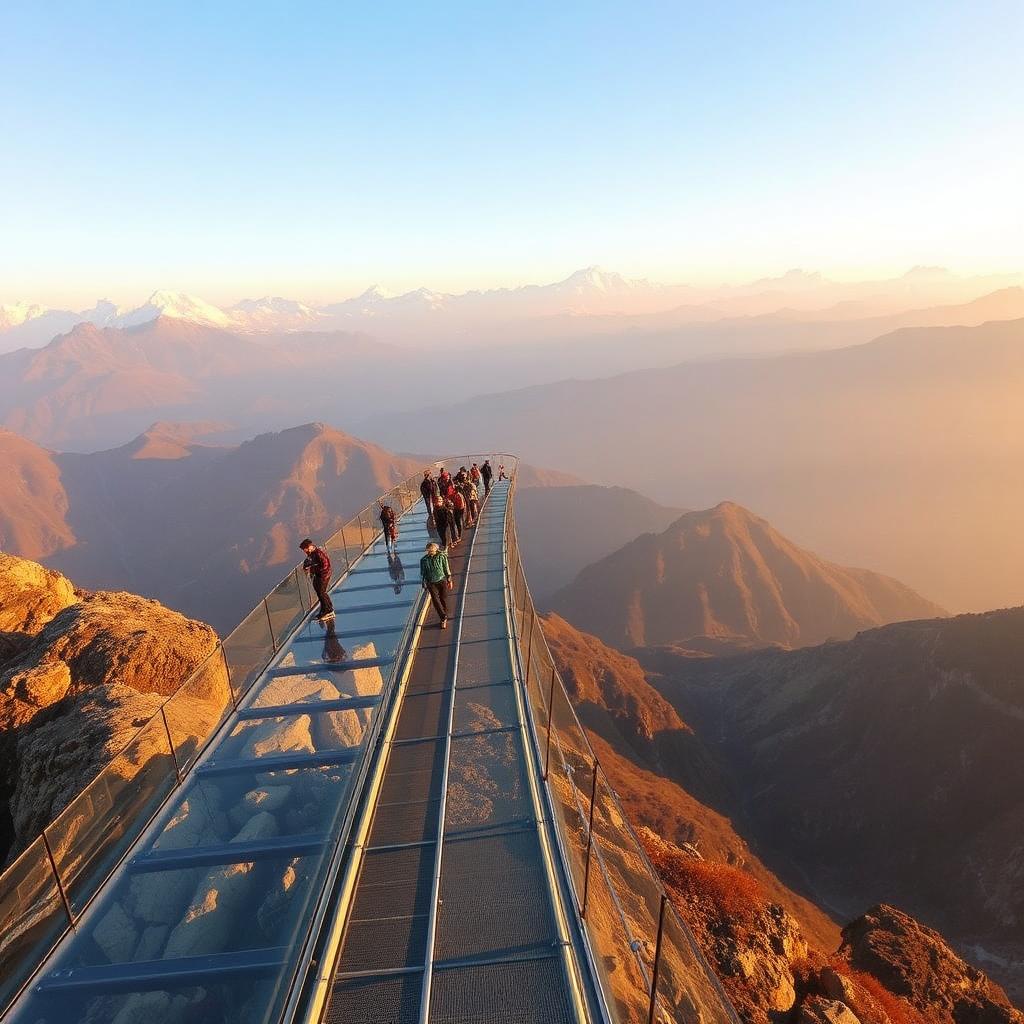
Sunrise hikes are at their easiest in spring. The 30-minute climb to Bhedetar View Tower is doable in a fleece by 5:45 AM, and the longer drive to Namaste Falls is comfortable even with kids in tow. Wildlife — butterflies, langurs, the occasional flash of a Himalayan barbet — is far more active than in winter.
Spring is also wedding-shoot and engagement season for couples from Biratnagar, Dharan and Itahari. Saturday afternoons can get busy at the View Tower and Skywalk; book any pre-wedding photography slots through us at least a week in advance.
Best for: families, group trips, weekend getaways, rhododendron lovers, couples planning engagement shoots, photographers chasing wildflower foregrounds with Himalayan backdrops.

May to mid-June: Warm, hazy, quiet — and underrated
May is the most overlooked month in Bhedetar. The plains are punishingly hot — Dharan and Itahari routinely hit 36–38°C — and the 8–10°C drop you get just by driving up here feels like air-conditioning you can walk into. Mountain views become unreliable (heat haze blurs the horizon by 9 AM most days), but sunrises are still good, and the resort is noticeably quieter on weekdays.
If you live in Biratnagar, Dharan or Itahari and you just want to escape the heat for 24–36 hours without competing for tables and viewpoints, May is your secret weapon. Rates are softer than peak season, the bonfire still happens (cooler at night thanks to the altitude), and our cold-brew menu and chilled platters come into their own.
Early June is similar but starts to feel humid. By the third week of June, the monsoon usually arrives.
Late June–September: Monsoon — beautiful but bring patience
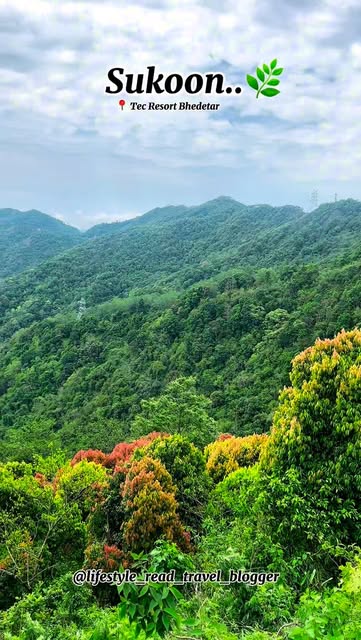
Bhedetar in monsoon is genuinely, photogenically beautiful — emerald hills, dramatic cloud rivers spilling over the ridge below the resort, fewer crowds, softer rates and a kind of moody, cinematic atmosphere that suits writers, painters and couples who like rainy-window-and-coffee trips.
But the trade-offs are real. Mountain views are hit-or-miss (mostly miss). The road from Dharan via Bhojpur Highway can have occasional minor landslides — they're usually cleared within hours, but plan for one buffer day in your itinerary. Glamping tents are less comfortable in heavy rain even though they're fully waterproof — humidity is the issue, not leaks.
Our standing advice for monsoon visitors: choose a deluxe room over a tent, plan three days instead of two to absorb any weather hiccups, bring sandals with grip, and treat any clear morning as a gift — be on the terrace by 5:30 AM, because the window often closes by 8.
What monsoon does best: waterfalls. Namaste Falls is at its absolute most powerful in August and early September. Smaller seasonal waterfalls appear along the entire drive up. If you love water, this is your season.
A typical day's weather, hour by hour
Knowing the season is useful. Knowing what a Bhedetar day actually feels like is more useful. Here's a representative October–March day at the resort:
5:30 AM — Coldest hour. 4–8°C in winter, 11–14°C in spring. Cloud sea below, Himalayas pink. Wear everything.
8:00 AM — Sun is up, temperature climbs fast. Down to a fleece. Breakfast on the terrace is at its best now.
11:00 AM – 3:00 PM — Warmest window. T-shirt weather even in January if you're in the sun. Best time for the View Tower, Skywalk and Namaste Falls.
4:30 PM — Light turns gold. The drop in temperature is sudden — within 20 minutes you'll want your jacket back.
6:30 PM onwards — Bonfire weather. In December–January you'll genuinely need a warm layer, gloves optional but loved.
Which room to book in which season
October–April: any room works. Glamping tents are unbeatable for the romance and the stargazing — guests in tents consistently leave the most enthusiastic reviews. Couple and deluxe rooms are the comfortable default for anyone nervous about cold or noise.
May to mid-June: deluxe rooms first, couple rooms second. Tents are fine on weekday nights but can feel warm on still afternoons.
Late June–September: deluxe rooms only — strongly recommended. Skip the tents in peak monsoon; humidity will spoil the experience even though the structure itself is fully waterproof.
Whichever month you choose, WhatsApp +977 9765483871 and we'll suggest the best room for your travel week, the most likely clear-mountain mornings, and which add-ons (candlelight dinner, BBQ platter, birthday cake, open-mic night) are actually worth it for your dates.
What to pack — a season-by-season checklist
Every season: light hiking shoes with grip, a refillable water bottle, sunscreen (the high-altitude sun is sharper than people expect), a power bank, and one set of slightly nicer clothes for dinner photos.
October–November add: a fleece, a light puffer for sunrise, a beanie, a scarf.
December–January add: a proper insulated jacket, gloves, thermal base layer for sunrise, lip balm, moisturiser (mountain air dries skin fast).
February–April add: layers — mornings cold, days warm. Sunglasses non-negotiable. Allergy meds if you react to spring pollen.
May to mid-June add: light cottons, a rain shell (afternoon showers possible), mosquito repellent for evenings.
Late June–September add: waterproof shoes, a proper rain jacket, a quick-dry towel, sandals with grip, and a sense of humour about the weather.
FAQs
What is the coldest month in Bhedetar?
January is the coldest, with nights typically between 3°C and 7°C and occasional dips to 1–2°C just before dawn. Days are still pleasant and sunny at 12–16°C. Pack a proper insulated jacket, gloves and a beanie, and book a deluxe room with a hot shower if you're cold-sensitive.
Can I see Kanchenjunga from Bhedetar?
Yes — on the clearest mornings (most often in November and February) Kanchenjunga, Makalu, Chamlang and other Eastern Himalayan peaks are visible from the TEC Resort & Bar terrace and from the Bhedetar View Tower. Plan to be outside by 5:45 AM in winter and 6:15 AM in summer; visibility usually closes within 2–3 hours of sunrise.
Is Bhedetar worth visiting in monsoon?
If you love moody, misty weather, dramatic cloud rivers and powerful waterfalls — and you don't mind missing mountain views — absolutely yes. Choose a deluxe room over a tent, build one buffer day into your trip, and treat any clear sunrise as a bonus.
How many days should I plan in Bhedetar?
Two days and one night is the standard weekend trip and works for most travellers. Three days and two nights is the sweet spot if you want a sunrise, a proper hike (View Tower or Namaste Falls), a bonfire night and time to actually relax. Anything longer than four nights is best combined with onward travel toward Hile, Bhojpur or Dhankuta.
Are credit cards accepted in Bhedetar?
At TEC Resort & Bar, yes — we accept cards and all major Nepali QR wallets (eSewa, Khalti, IME Pay, ConnectIPS). Outside the resort, most small shops and dhabas in Bhedetar bazaar are still cash-only, so carry NPR 2,000–3,000 in small notes for snacks, parking and tips.
Ready to experience it yourself?
WhatsApp us at +977 9765483871 — we usually reply within minutes.