Monsoon in Bhedetar: A Local's Guide to Cloud-Walking & Bonfires
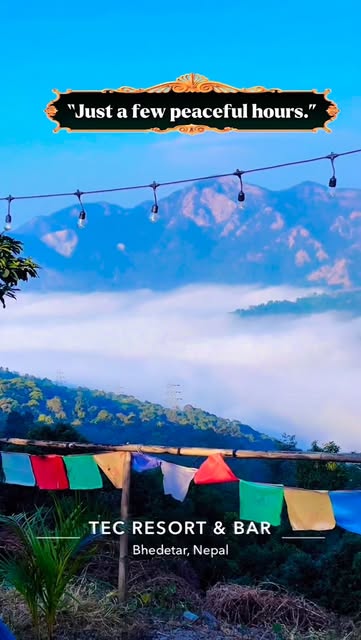
Most travel blogs warn you to skip Nepal in monsoon. They're not wrong about Pokhara or the high Himalayan trails — but Bhedetar is a different country in July, August and September. At 1,420 metres on the lip of the Mahabharat range, this little ridge above Dharan turns into something close to a cloud forest: pine needles dripping silver, waterfalls that didn't exist last week, mist curling between rooms like a living thing, and the kind of bonfire nights you can't fake in dry season. After six monsoons of hosting guests at TEC Resort & Bar, here's the honest insider's guide — what monsoon Bhedetar actually feels like, the seven experiences only this season unlocks, what to pack, which rooms to ask for, and the realistic catches you should know before booking.
The monsoon myth — and what Bhedetar actually looks like in July
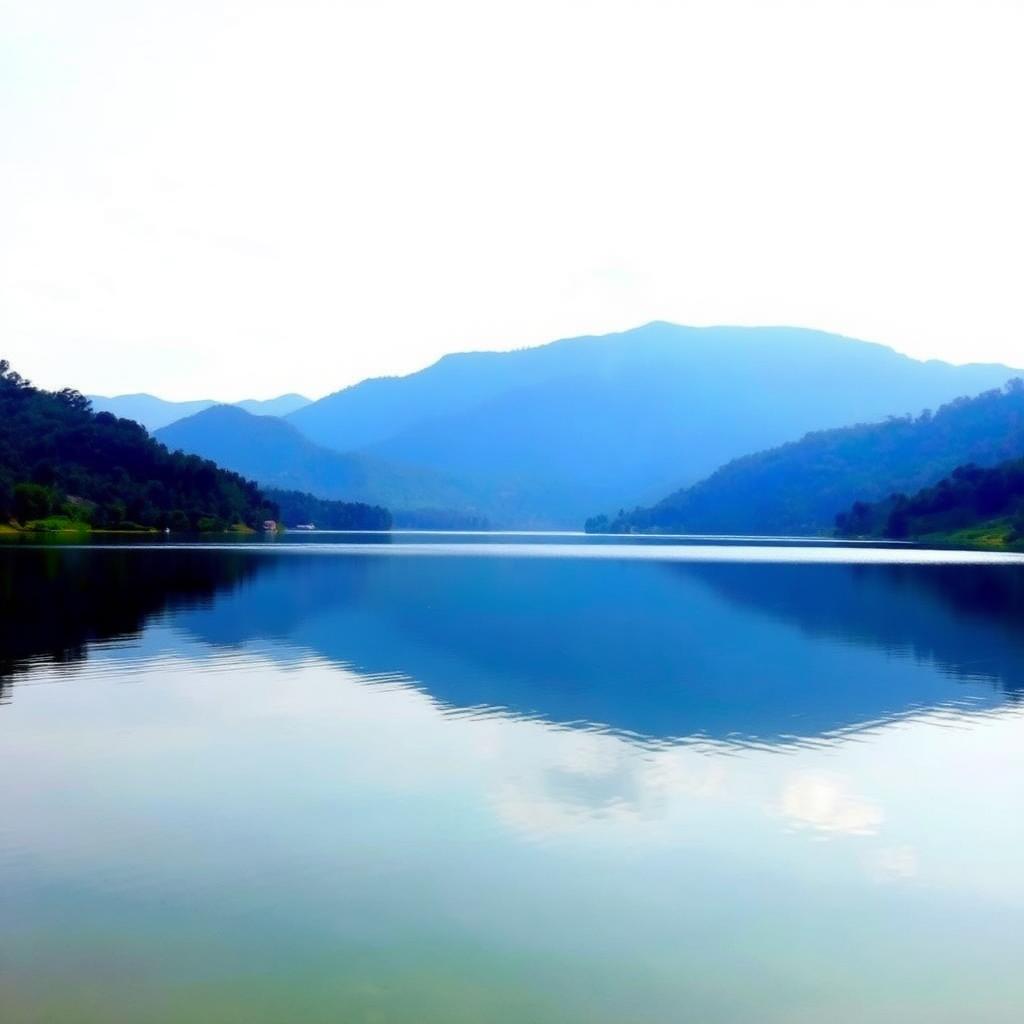
Nepal's monsoon officially runs from mid-June to mid-September, and the standard advice is 'don't bother'. That advice comes from trekkers staring at fogged-out Annapurna passes and Kathmandu travelers stuck in 4 PM downpours. Bhedetar isn't that story. We sit on the windward edge of the eastern hills, which means we get rain — about 280–350 mm per month at peak — but it arrives in predictable rhythms: heavy bursts in the late afternoon and overnight, then long calm windows of mist, sun-shafts and surreal cloud-walking light through the morning and midday.
Translation: you don't lose your day. You lose your Himalayan view — Kanchenjunga and Makalu hide behind a thick monsoon curtain until late September — but you gain something most travelers never see: a Nepali hill station at its most alive, most green, most quiet, and most affordable.
From the terrace in July, you might watch a wall of cloud climb up the Dharan valley in under ten minutes, swallow the resort, sit for two hours, then peel back to reveal the entire Terai plain glowing under a single shaft of light. It is, genuinely, one of the most beautiful weather shows in eastern Nepal.
7 experiences that only happen in monsoon
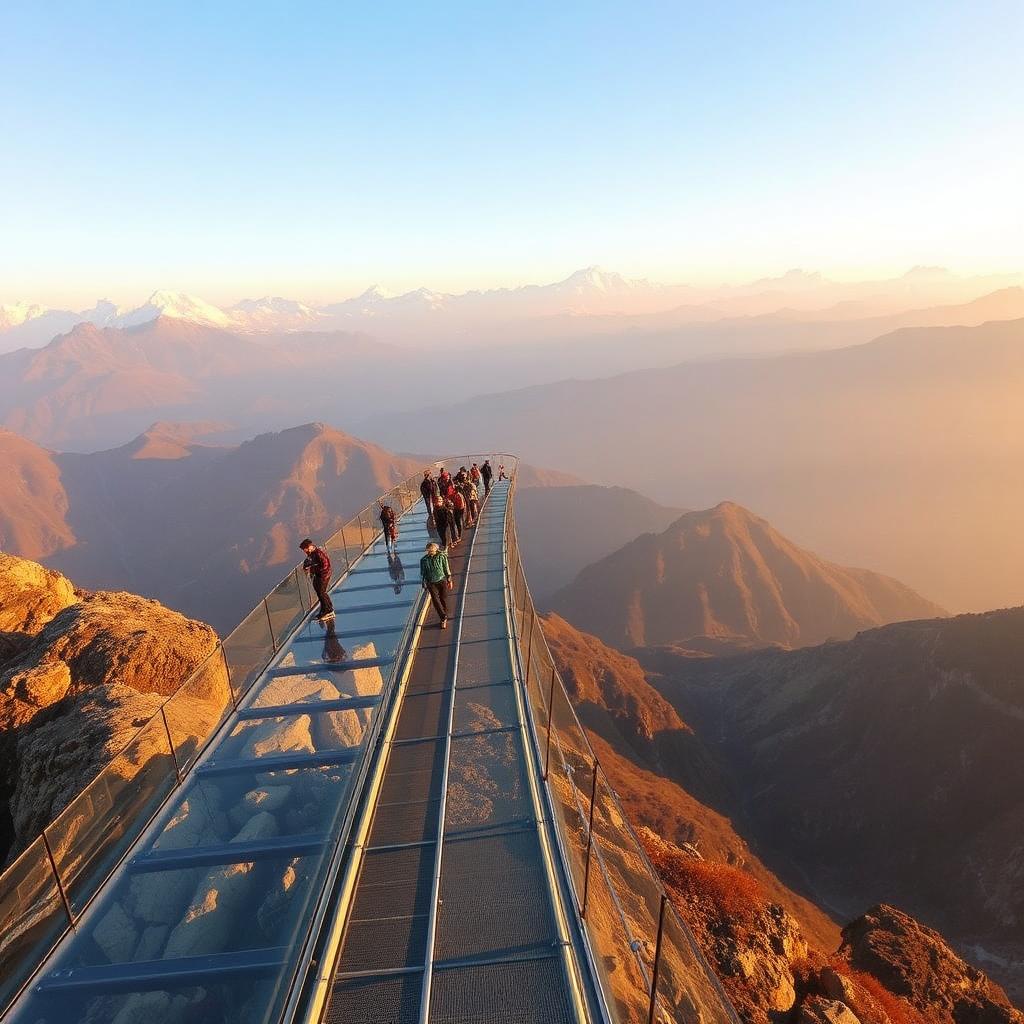
1. **Cloud-walking on the skywalk.** When low cloud moves through the property, the skywalk deck floats above a sea of white. You walk out, and there is nothing visible in any direction except cloud. Guests rate this as the single most memorable moment of their trip — and it literally cannot happen in dry season.
2. **Namaste Jharna waterfall at full force.** Our nearest waterfall (a 12-minute walk from reception) drops 40+ metres in monsoon — easily three times its dry-season volume. The spray reaches the viewing platform. Bring a poncho and do not bring shoes you care about.
3. **Bonfire nights that actually feel earned.** A bonfire in clear October weather is nice. A bonfire after a 30-minute monsoon downpour, with mist still hanging in the pines and the smell of wet earth everywhere — that is a different category of cozy. Our team keeps the fire pit covered until the rain breaks, then lights it within 20 minutes.
4. **The Charles Point cloud-sea, but inverted.** In winter you stand above the cloud. In monsoon you stand inside it. Photographers love this — every shot looks like a Japanese ink painting.
5. **Empty viewpoints.** Bhedetar Tower, Namaste Jharna, Pathivara temple — all noticeably emptier. On a Tuesday in August you can have entire viewpoints to yourselves for 20–30 minutes.
6. **Wild mushrooms and ainselu berries on the breakfast plate.** Our kitchen sources from villagers who only forage in monsoon. The chiraito mushroom omelet is a July-only menu item.
7. **Off-peak rates.** Couple rooms drop 15–25% versus October peak. Add-ons (candlelight dinner, BBQ) often come bundled. Same resort, same experience, lower bill.

A realistic 36-hour monsoon itinerary
**Day 1 — Saturday.** Leave Dharan by 11 AM (after the morning rain typically clears). Drive up via the Sangurigadhi route — 12 minutes faster than Charkose Jhadi in monsoon because of better drainage. Reach TEC by 12:00–12:15. Welcome tea on the covered terrace while bags go to the room. Lunch: a hot Newari thali with seasonal forest greens, served indoors if cloud has come back in. 2 PM: short rain-window walk to the skywalk and Namaste Jharna (carry the umbrellas we provide). 4 PM: hot shower, change into dry layers, head to the indoor lounge for masala chai and a book. 6 PM: cloud thins, bonfire lights, BBQ smell starts. 8 PM: candlelight dinner indoors or terrace depending on weather. 10 PM: sleep with rain on the roof — the single best sleep most guests get all year.
**Day 2 — Sunday.** Skip the 5 AM sunrise alarm (no Himalayan view in monsoon anyway). Wake naturally around 7. Breakfast on the terrace if dry — wild-mushroom omelet, seasonal fruit, single-origin Ilam coffee. 9–11 AM: drive 20 minutes to Bhojpur road for a short cloud-forest walk through pine and rhododendron. Back by 12. Lazy lunch. Check out by 2 PM, descend to Dharan before the afternoon downpour cycle peaks at 4–5.

What to pack for a monsoon trip to Bhedetar
We've seen every packing mistake in the book. Here's the short list that actually matters:
• **A real rain jacket with a hood** — not a thin windbreaker. Bhedetar rain is dense.
• **Quick-dry trousers** — jeans take 36 hours to dry up here.
• **Two pairs of footwear** — one waterproof for outside, one dry for inside the room.
• **A warm fleece or hoodie** — evenings drop to 16–18°C and feel colder with humidity.
• **Power bank** — short power flickers are normal in heavy storms (we have backup, but your devices may briefly disconnect).
• **A book or downloaded show** — the rare 2-hour rain pin-down is part of the experience, not a problem to solve.
• **A small dry bag** for your phone and wallet during waterfall walks.
What you can leave behind: heavy down jacket, sunscreen above SPF 30, formal shoes, drone (visibility is too poor to be worth it before late September).
Which room to book in monsoon
Not all rooms are equal in heavy rain. From experience, here's our honest internal ranking for July–September:
**Best:** Deluxe Whisper Suite and Couple Suite (Block A). South-facing, covered private terrace, double-glazed windows that handle wind-driven rain beautifully, and the best mist-curling-through-pine view on the property.
**Great:** Standard Couple Room with terrace. Same building orientation, slightly smaller, same cozy rain-on-roof soundscape.
**Skip in heavy monsoon:** Glamping tents. We love them October–May, but in July–August the constant humidity makes the canvas feel damp even when it isn't, and a 2 AM downpour on tent fabric is loud (some guests love it — most don't). We'll happily upgrade tent bookings to a room in monsoon if availability allows.
The honest catches
No mountain views of Kanchenjunga or Makalu until late September. If a clear Himalayan sunrise is your single must-have, monsoon is the wrong season — book October or November instead.
Leeches on forest trails after heavy rain. Real but manageable: stick to the main viewpoints we suggest, tuck trousers into socks, and carry a small salt pouch. Reception gives one to every guest in monsoon.
Road landslides are rare on the Dharan–Bhedetar route (it's well-maintained), but possible after 48+ hours of continuous rain. We monitor and message guests on WhatsApp if the route shifts.
Some long-distance day trips (Hile, Basantapur) are not advisable in heavy monsoon weeks. Stay local — Bhedetar itself has enough to fill 2–3 days easily.
Why our team genuinely loves monsoon
Ask any of our staff which season they would choose for their own personal getaway, and most say monsoon — quietly. The property is calmer, the air smells of wet pine and earth, the kitchen runs slower and more creatively, and the guests who do come tend to be the kind of travelers we like best: unhurried, weather-curious, comfortable with a book and a window. If that sounds like your kind of trip, we'd love to host you.
Book the Monsoon Getaway package and we'll throw in the candlelight dinner on us — our small thank-you for choosing the season most people skip.
FAQs
Is it safe to visit Bhedetar during monsoon?
Yes. The Dharan–Bhedetar road is well-maintained and landslides on this specific route are rare. We monitor conditions daily and message guests on WhatsApp if anything shifts. Inside the property, paths are paved and covered where possible.
Will I see the Himalayas in July or August?
Almost certainly not. Kanchenjunga and Makalu hide behind monsoon cloud until late September. If a clear Himalayan view is your must-have, book October–November or February–April instead.
Is the bonfire still available in monsoon?
Yes — most nights. Our pit stays covered until the rain breaks, then we light up within 20 minutes. On the rare night of nonstop downpour, we move the experience to the covered lounge with hot drinks and acoustic music.
Are rates lower in monsoon?
Yes, by roughly 15–25% versus October peak. Our Monsoon Getaway package also bundles the candlelight dinner free of charge — see /monsoon-getaway-bhedetar for current rates.
What about leeches and insects?
Leeches exist on wet forest trails — easily managed by tucking trousers into socks and carrying a small salt pouch (we provide one at check-in). Mosquitoes are minimal at this altitude. Bring a basic insect repellent for evenings.
Ready to experience it yourself?
WhatsApp us at +977 9765483871 — we usually reply within minutes.